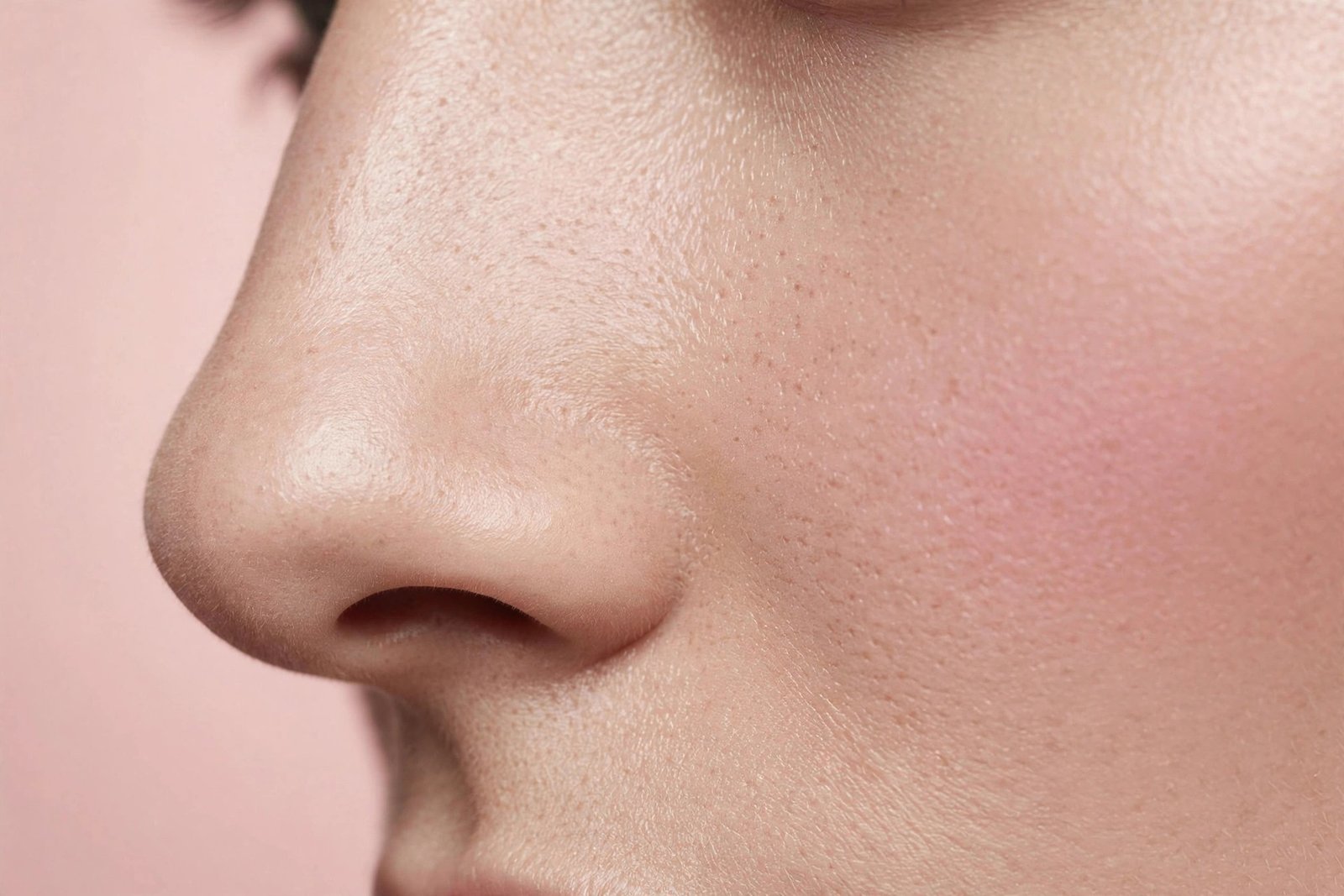
Why Does My Makeup Separate Around My Nose? Causes and Fixes
Direct answer: Makeup separates around the nose because the area is oilier, has larger visible pores, and gets touched and rubbed more than anywhere else on your face. The fix: keep skincare light there, press a mattifying primer only into the nose area, use thin foundation layers, and blot instead of re-powdering through the day. I tested skincare-prep versus primer side by side — here’s what actually held up.
You know the look: the rest of your face is fine, but around your nose the foundation has gone patchy, pilled into little balls, or vanished entirely into your pores. It’s the most common base-makeup complaint I hear, and it’s also one of the most misunderstood — most people try to fix it with more product, which makes it worse.
I ran a head-to-head test on my own nose (glamorous, I know): one side prepped with extra skincare, the other with primer-only prep, checked at 4 and 8 hours. The results changed my routine permanently.
Why the nose area is different from the rest of your face
Three things make this zone uniquely hostile to makeup:
- More oil glands. The nose and the creases beside it (the nasolabial area) are among the oiliest spots on the face. Oil breaks down foundation from underneath — the same mechanism behind cakey foundation elsewhere on the face, just concentrated.
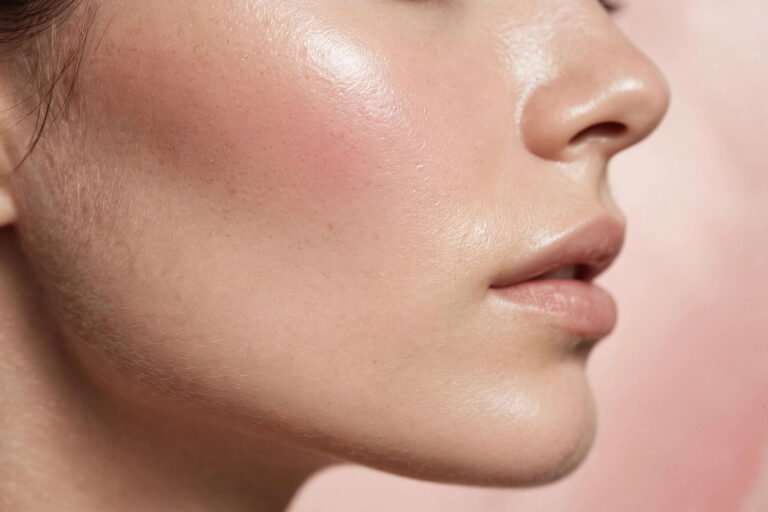
- Larger, more visible pores. The nose has prominent pores and texture. Foundation settles into them, then the raised areas wear off first, leaving that patchy dotted look.
- Constant contact. You touch your nose, blow it, push up glasses, rest your chin on your hand — every contact lifts product. No other part of your face takes this much mechanical abuse.
The 5 fixes that actually work
1. Go light on skincare around the nose
This is counterintuitive but it was the biggest finding in my test. Heavy moisturizer + sunscreen + primer layered on the nose creates a thick, slippery base that foundation can’t grip. Around the nose specifically: one thin layer of moisturizer, and that’s it. Save the rich layers for your cheeks.
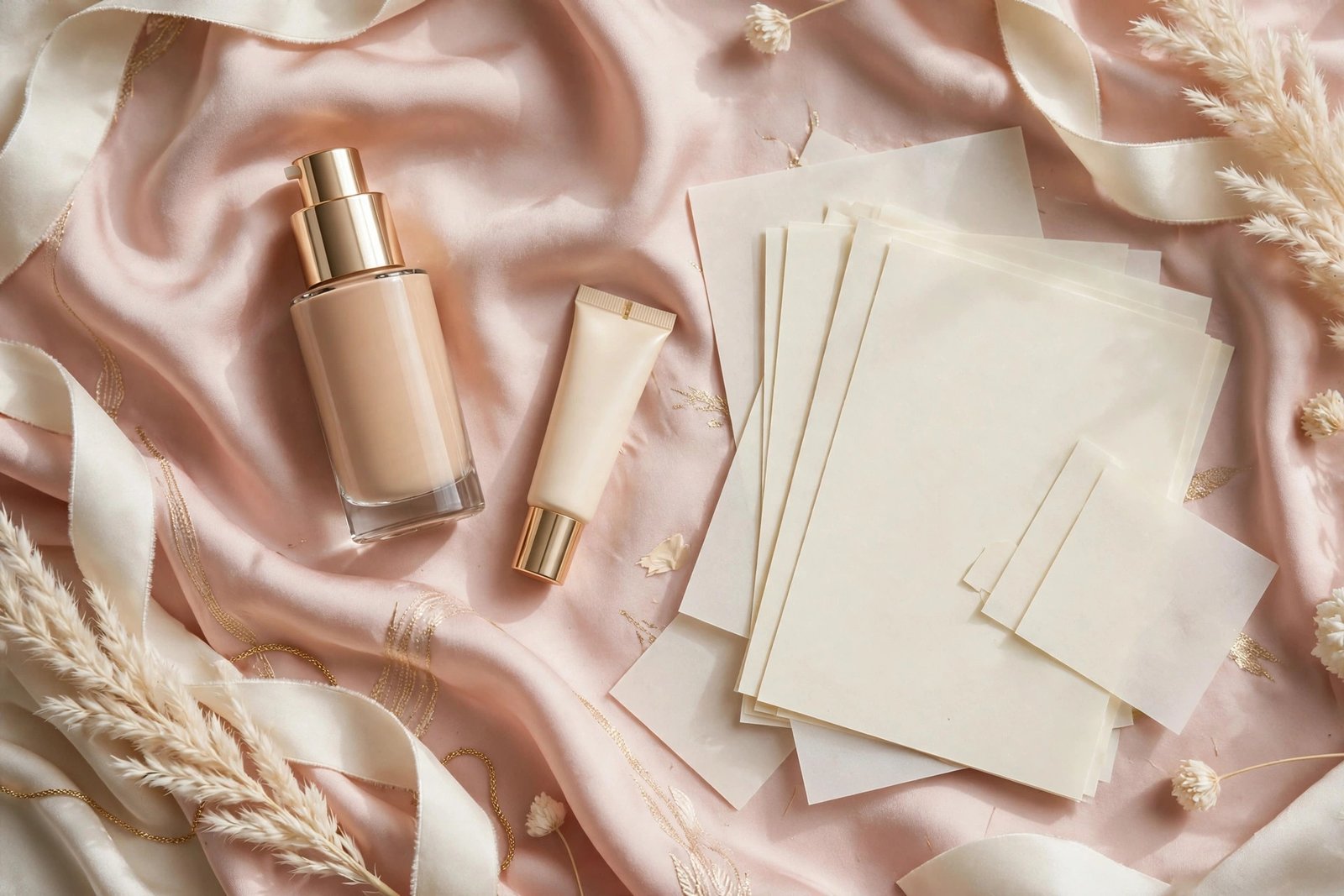
2. Press mattifying primer only into the nose area
Don’t prime your whole face with a mattifying formula — it’ll look flat. Instead, press a pea-sized amount of mattifying primer just into the nose, the creases beside it, and the chin. Press, don’t rub: pressing fills pores instead of skipping over them.
3. Use the thinnest layer of foundation here
Apply foundation to the rest of your face first, then use whatever is left on the sponge for the nose. The nose needs the least product of anywhere — it’s small, and thin layers can’t separate the way thick ones do. If you need more coverage on redness around the nose, spot-conceal after, don’t add foundation.
4. Set with powder — but once, and lightly
One whisper of translucent powder pressed (not swept) over the nose area right after foundation. Sweeping drags product; pressing locks it. And resist re-powdering through the day — see fix #5.
5. Blot midday instead of adding more product
When the nose gets shiny at 2pm, press blotting papers onto it. Adding powder over oil creates the exact cakey buildup you’re trying to avoid. Blot first; if you still want powder after, use the tiniest amount.
What I tested: skincare-prep vs primer, side by side
Left side of nose: my normal full skincare routine (moisturizer + sunscreen + hydrating primer) with regular foundation application. Right side: one thin moisturizer layer, mattifying primer pressed in, foundation from leftover sponge product. Same foundation both sides, checked at 4 and 8 hours:
| Full-skincare side | Light + mattifying primer side | |
|---|---|---|
| 4 hours | Starting to pill at the nostril edges | Intact, slight shine |
| 8 hours | Patchy, separated around pores, needed rescue | Shine blotted once at lunch, otherwise intact |
The light-prep side won decisively. The full-skincare side had simply too much slip underneath — by hour 8 it looked like the foundation was floating on the layers rather than bonded to skin. Less prep on the nose, more grip. I’ve done my routine this way ever since.
Quick rescue: fixing separation without redoing your face
If you’re already out and your nose area has separated: blot the area with a tissue to lift the broken-down product, dab the tiniest dot of moisturizer over it, wait 30 seconds, then press a small amount of foundation back on with your fingertip and set with one press of powder. Takes 60 seconds in a bathroom mirror.
What about the rest of the T-zone?
Everything in this article applies beyond the nose. The forehead and chin share the same triple threat — more oil glands, more texture, more touching (think resting your chin on your hand). If your nose is the worst spot but your forehead isn’t far behind, extend the same protocol: thin skincare, mattifying primer pressed in only where needed, leftover-sponge foundation, one light powder press, and blotting papers instead of midday powder. The one place to be more generous is the cheeks — they can handle (and usually need) your normal routine.
Frequently asked questions
Why does my foundation separate around my nose but nowhere else?
Because the nose combines the three worst factors — high oil, visible pores, and constant touching. The rest of your face doesn’t take the same beating, so the same routine that works on your cheeks fails on your nose.
Does primer help makeup stay on the nose?
Yes, but only the right kind applied the right way: a mattifying primer pressed (not rubbed) into just the nose area. An all-over hydrating primer can actually make separation worse there.
Why does my makeup pill around my nose?
Pilling means layers aren’t bonding — usually too much skincare underneath, or foundation applied before skincare absorbed. Cut back to one thin moisturizer layer and wait 2–3 minutes before foundation.
Should I skip foundation on my nose entirely?
If your nose isn’t red, you honestly can — most people need far less coverage there than they think. Try the leftover-sponge method for a week; many people never go back.
Why does my nose get oily even with matte foundation?
Matte foundation controls surface appearance, not oil production. Your nose will still produce oil underneath — which is why blotting midday matters more than the formula you choose.
Love this? Pin it for later!