Best Body Oils for Stretch Marks (9 That Help)
Stretch marks are one of those skin realities almost everyone meets at some point — during pregnancy, a growth spurt, weight changes, or even after an intense training phase. They start as red or purple streaks and gradually fade to silvery lines, and while no oil can erase them completely, the right body oil can make a genuine difference. The best body oils for stretch marks work by keeping skin supple, nourished, and resilient while it stretches — which is exactly when support matters most.
This guide walks you through how body oils actually help, which ingredients to look for (and which to skip), and nine oils with the right fatty-acid profiles to keep your skin in the best condition possible. If you want the broader picture, our cellulite and stretch marks guide covers both concerns in one place.
Key Takeaways
- No body oil can erase existing stretch marks, but consistent oiling keeps skin supple during periods of stretching — and that’s when it counts.
- Look for oils rich in linoleic acid, oleic acid, and vitamin E; these fatty acids support the skin’s lipid barrier and elasticity.
- The most effective window for stretch-mark prevention is early and consistent application — ideally starting before rapid skin stretching begins, such as pregnancy.
- Apply body oil to damp skin after showering to lock in moisture; follow with a cream if your skin is very dry.
- Avoid essential-oil-heavy blends and retinoids on stretching skin, especially during pregnancy — check with your dermatologist first.
- Massage technique matters: gentle, circular motions improve absorption and support circulation in the area.
How Body Oils Actually Work on Stretch Marks
What stretch marks really are
Stretch marks (striae) form when the dermis — the middle layer of your skin — tears under rapid stretching. Collagen and elastin fibers snap, blood vessels show through (hence the red or purple color), and over time the marks flatten and fade to silver. Genetics, hormones like cortisol, and the speed of the change all play a role. If your mother had them, your odds go up — but they’re not inevitable, and lifestyle and skincare habits do influence outcomes.
What oils can and can’t do
Here’s the honest truth: no topical oil has been shown to erase fully formed stretch marks. Prescription retinoids can improve their appearance, and procedures like laser therapy go further — but among over-the-counter options, oils play a supportive role. Well-nourished, supple skin handles stretching better than dry, tight skin. Oils deliver fatty acids that reinforce the skin barrier, reduce transepidermal water loss, and keep tissue flexible. Think of it as conditioning leather before it has to stretch — the analogy isn’t perfect, but the principle holds.
Dermatologists generally agree that massaging the skin with a nourishing oil during periods of change is one of the few at-home strategies worth doing. The massage itself may help as much as the oil by supporting circulation. For a full daily approach, see our body skincare routine guide.
The Fatty Acids That Matter Most
Linoleic acid
Linoleic acid (an omega-6) is a key building block of ceramides — the lipids that hold your skin barrier together. Oils high in linoleic acid absorb relatively quickly and suit skin that’s prone to congestion. Rosehip, safflower, and evening primrose oils are standouts here.
Oleic acid
Oleic acid (an omega-9) is a heavier, more occlusive fatty acid that excels at sealing moisture in. Sweet almond, olive, and marula oils are rich in it. Very oleic-heavy oils can feel rich, which is ideal for dry, stretching skin — but a blend of linoleic and oleic oils usually gives the best of both.
Vitamin E and antioxidants
Vitamin E (tocopherol) protects skin lipids from oxidative damage, which matters because stretching skin is already under stress. Wheat germ, sunflower, and argan oils are naturally rich in it. Vitamin E also has modest evidence for supporting the appearance of scars, which is why it shows up in so many stretch-mark formulas.
The 9 Best Body Oils for Stretch Marks
Each pick below earns its place for its fatty-acid profile, absorption, and suitability for large areas of skin (belly, hips, thighs, breasts). All are widely available and affordable compared to specialty “stretch mark” creams — which often rely on these same oils at a markup.
1. Rosehip oil
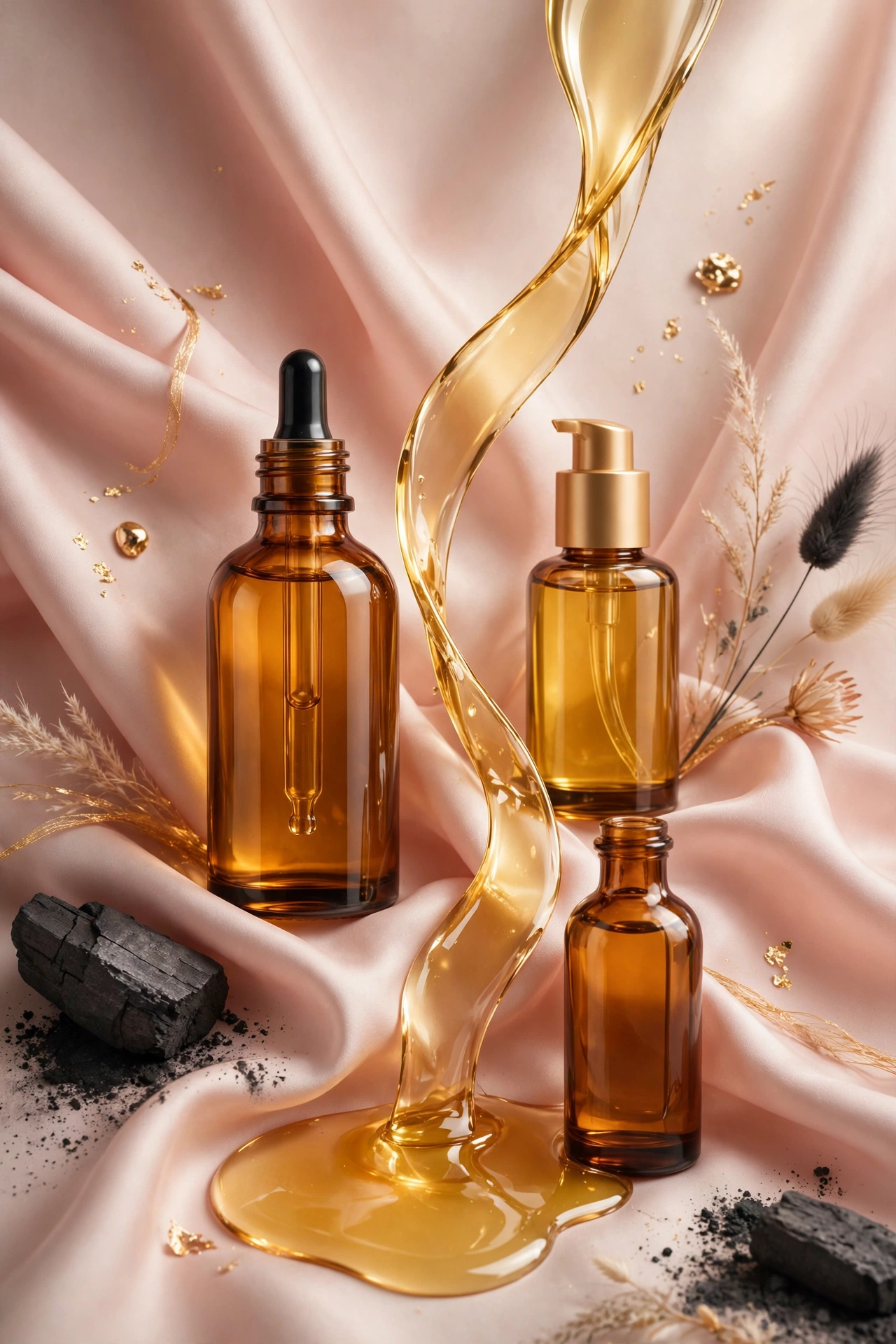
Rosehip oil is the classic stretch-mark oil for good reason: it’s unusually high in linoleic and linolenic acids plus trans-retinoic acid (a natural form of vitamin A, milder than retinol). It absorbs fast, feels light on large areas, and has the most published support of any single botanical oil for improving scar appearance. Look for cold-pressed, organic rosehip oil in a dark bottle.
2. Sweet almond oil
The workhorse. Sweet almond oil is rich in oleic acid with enough linoleic acid to stay balanced, plus vitamin E. It’s inexpensive, mild, and one of the few oils with clinical research behind stretch-mark prevention during pregnancy. Its light texture makes daily full-body application realistic rather than a chore. Note: those with nut allergies should check with a doctor before using nut-derived oils.
3. Jojoba oil
Technically a liquid wax rather than an oil, jojoba closely mimics human sebum — which is why it absorbs so cleanly and rarely causes breakouts on the chest or back. It’s a smart base for layering: apply jojoba first, then a richer oil on top, or blend it with rosehip for the best of both worlds.
4. Squalane oil
Olive-derived squalane is a single-molecule oil that your skin already produces (in the form of squalene). It’s weightless, non-comedogenic, and an excellent barrier supporter — ideal if you dislike the feel of traditional body oils but still want the stretch support. It pairs beautifully under body creams.
5. Argan oil
Argan oil brings oleic and linoleic acids in roughly equal measure, plus vitamin E and polyphenols. It has modest evidence for improving skin elasticity — one small study found improvements in elasticity with both topical and dietary use. It’s pricier than almond oil, so many people use it as a targeted treatment on existing marks rather than an all-over daily oil.
6. Marula oil
Marula is oleic-acid-rich and remarkably stable against oxidation, meaning it stays fresh longer than many botanical oils. It feels luxurious without being greasy, making it a good “upgrade” pick for daily belly and hip application. It’s also a strong choice for skin that’s dry overall — see our picks for the best body oil for dry skin for more.
7. Vitamin E oil
Pure vitamin E oil (tocopherol) is thick and sticky on its own — most people use it blended into a carrier oil rather than straight. Its antioxidant protection supports the skin’s repair processes, and it’s a staple ingredient in countless scar-care formulas. Mix a few drops into your almond or jojoba oil to boost any of the oils above.
8. Fractionated coconut oil
Regular coconut oil is comedogenic and solid at room temperature; fractionated coconut oil stays liquid, absorbs faster, and is less likely to clog pores on the chest and back. It’s a neutral, affordable carrier — excellent as the base of a DIY stretch-mark blend with a few drops of rosehip and vitamin E.
9. Bio-Oil (specialty blend)
The one “product” pick: Bio-Oil’s formula centers on PurCellin Oil with vitamins A and E, calendula, lavender, rosemary, and chamomile oils. It’s specifically marketed for scars and stretch marks and has more consumer research behind it than most drugstore options. Use it as directed, and patch-test first — the fragrance and botanical blend can irritate sensitive skin.
How and When to Apply Body Oil for Stretch Marks
Start early, stay consistent
For prevention, timing beats everything. If you’re pregnant, most dermatologists suggest starting a moisturizing routine in the first trimester and continuing through delivery — skin that has been consistently nourished handles the third-trimester stretch far better. Our dedicated guide covers how to prevent stretch marks during pregnancy in detail.
The right technique
- Apply to damp skin right after showering — oil seals in water, and damp application roughly doubles hydration.
- Warm a generous amount between your palms first; cold oil on a stretching belly is nobody’s idea of self-care.
- Use gentle, circular motions and upward strokes. The goal is even coverage plus light massage — no need to press hard.
- Give it 5–10 minutes to absorb before dressing, or follow with a body cream to sandwich the moisture in.
How often
Twice daily is the gold standard during periods of rapid change (pregnancy, growth spurts, weight gain or loss). Once daily is fine for maintenance or for treating older marks. Consistency over weeks matters more than any single application’s intensity.
Ingredients to Avoid on Stretching Skin
- Retinoids (retinol, tretinoin): effective for mature stretch marks but contraindicated in pregnancy. Save these for post-pregnancy use under a dermatologist’s guidance.
- Undiluted essential oils: tea tree, rosemary, and clary sage can irritate or are best avoided during pregnancy. If a blend contains them, use sparingly.
- Harsh exfoliating acids in high concentrations: gentle exfoliation is fine, but strong peels on stretching, sensitive skin invite irritation.
- Highly fragranced products: fragrance is a common irritant; choose fragrance-free or naturally scented options when skin is reactive.
DIY Stretch-Mark Oil Blend
If you prefer to mix your own, a simple and effective blend: 2 parts sweet almond oil, 1 part rosehip oil, and a few drops of vitamin E oil per ounce. Store in a dark glass bottle away from heat and sunlight, and use within 2–3 months since fresh botanical oils oxidize. This gives you the oleic richness of almond, the linoleic power of rosehip, and the antioxidant protection of vitamin E — the same trio most commercial stretch-mark oils are built on.
Frequently Asked Questions
Do body oils actually prevent stretch marks?
No topical product guarantees prevention — genetics and hormones play major roles. But keeping skin consistently moisturized and supple with a nourishing oil is one of the few evidence-supported at-home strategies, and dermatologists widely recommend it during pregnancy and weight changes. It won’t hurt, and it genuinely helps skin cope with stretching.
When should I start using body oil during pregnancy?
Start in the first trimester and apply twice daily through delivery. Early, consistent moisturizing gives skin the best chance of staying supple through the rapid growth of the second and third trimesters. Always confirm product choices with your OB-GYN.
Can body oils fade existing stretch marks?
They can improve the appearance — older, silvery marks may look softer and less noticeable with consistent oiling, partly because hydrated skin reflects light more evenly. But oils won’t remove them. For significant fading, prescription retinoids or in-office treatments are the proven routes.
Which is better for stretch marks: oil or cream?
Both work, and they work best together. Oils deliver fatty acids and seal in moisture; creams (especially those with ceramides or hyaluronic acid) add water-based hydration. The classic winning combo: apply oil to damp skin, then layer cream on top.
Is Bio-Oil safe during pregnancy?
Bio-Oil’s manufacturer states it is safe for use during pregnancy, and it contains no retinoids. However, it does contain fragrance and several botanical oils, so patch-test first and check with your doctor if you have sensitive skin or concerns.
How long before I see results?
For prevention, think in terms of the whole stretching period — months, not days. For improving the look of existing marks, allow 8–12 weeks of consistent twice-daily use before judging. Skincare is a long game.
The Bottom Line on Body Oils and Stretch Marks
The best body oils for stretch marks aren’t magic erasers — they’re support systems. Rosehip, sweet almond, jojoba, squalane, argan, marula, vitamin E, fractionated coconut, and Bio-Oil each bring a fatty-acid profile that keeps skin supple, nourished, and resilient exactly when it needs it most. Start early, apply to damp skin twice daily, massage gently, and stay consistent. Your skin is doing remarkable work stretching to accommodate change — the least you can do is keep it well-fed while it does. For the complete routine around it, revisit our body skincare routine guide.
Love this? Pin it for later!