Pregnancy-Safe Sunscreen Guide: Mineral vs. Chemical Filters
This article is for informational purposes only and is not medical advice — always check with your OB-GYN or doctor before changing your skincare routine during pregnancy.
If there’s one product that matters most during pregnancy, it’s sunscreen. Rising hormones make your skin more prone to melasma — the “mask of pregnancy” — and UV exposure is the trigger that turns a tendency into visible patches. Daily sun protection is also doing the quiet work of preventing the darkening of acne marks and protecting all the effort you put into the rest of your routine.
But sunscreen shopping gets confusing fast when you’re pregnant: mineral vs. chemical, oxybenzone warnings, “reef-safe” labels. This guide cuts through it — what the filter debate actually means in a pregnancy context, what to look for on labels, and the product types worth considering.
Part of our pregnancy-safe beauty series — for the full routine, see our pregnancy-safe skincare routine.
Mineral vs. Chemical: What the Difference Actually Is
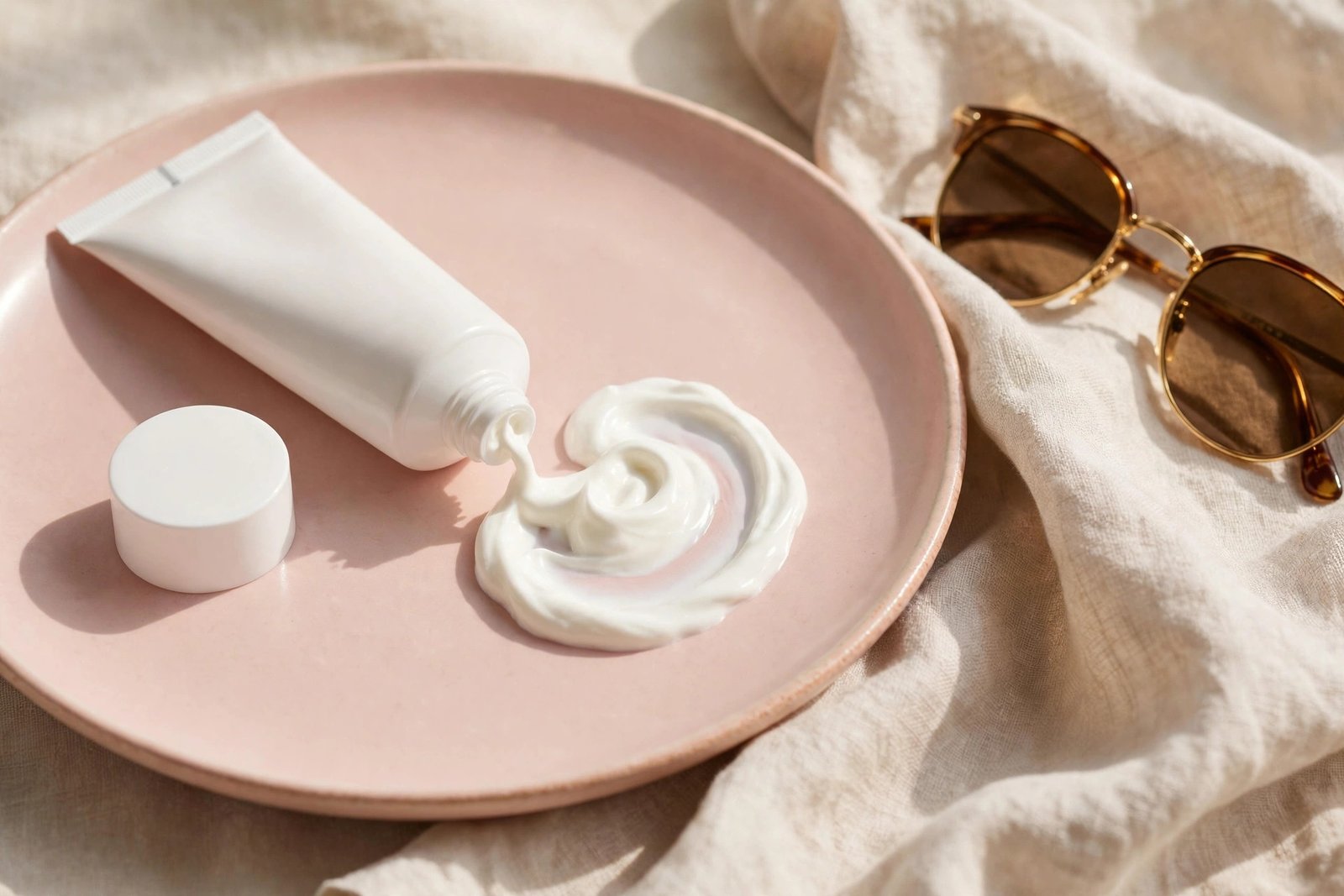
Mineral (physical) filters — zinc oxide and titanium dioxide — sit on the skin’s surface and scatter or reflect UV rays. Because they largely stay on top of skin rather than absorbing into it, systemic absorption is minimal.
Chemical (organic) filters — oxybenzone, avobenzone, octinoxate, octocrylene, homosalate, and others — absorb into the skin and convert UV radiation into heat. Several of these have been shown to absorb into the bloodstream in measurable amounts.
For the general population, dermatologists stress that any sunscreen beats no sunscreen — the skin-cancer-prevention evidence is overwhelming. During pregnancy, though, the calculation shifts slightly: because mineral filters stay on the skin’s surface, they’re the preferred choice when you’re trying to minimize what enters your bloodstream.
The Oxybenzone Question, Honestly
Oxybenzone is the chemical filter that draws the most concern. It’s absorbed through skin in measurable amounts, has shown hormone-disrupting (estrogenic) effects in animal studies, and has been detected in blood and breast milk in biomonitoring studies.
What that doesn’t mean: human studies have not established that sunscreen-level oxybenzone exposure harms pregnancies. The animal findings involve doses far beyond normal use, and correlation in biomonitoring studies isn’t causation.
What it does mean: when an equally effective alternative exists (mineral sunscreen), the conservative choice during pregnancy is to use it. This isn’t about fear — it’s about the precautionary principle applied to a nine-month window where you have a perfectly good alternative. If mineral sunscreen is the only thing you’ll actually wear daily, though, consistency matters more than filter type — talk to your doctor if you’re unsure.
What to Look for on the Label
The actives line (this is what matters most):
– ✅ Zinc oxide — the gold standard; the only filter that fully covers UVA1. Look for it as the primary active.
– ✅ Titanium dioxide — good UVB and partial UVA coverage; often paired with zinc oxide.
– ⚠️ Oxybenzone, octinoxate — the two filters with the most scrutiny; easiest to simply avoid during pregnancy.
– ℹ️ Avobenzone, octocrylene, homosalate — less scrutinized than oxybenzone but still systemically absorbed; mineral is the simpler choice.
Beyond actives:
– SPF 30 or higher, broad-spectrum — non-negotiable.
– “Non-nano” if it matters to you — refers to mineral particle size; the evidence on nano vs. non-nano absorption is reassuring either way, but non-nano formulas often feel less cosmetically elegant.
– Fragrance-free — pregnancy often brings heightened sensitivity and scent aversion; fragrance is a common irritant.
– Water-resistant if you’ll sweat or swim (note: no sunscreen is truly “waterproof” — reapply after swimming or heavy sweating).
Mineral Sunscreen Types Worth Knowing (Affiliate-Friendly Overview)
You don’t need a specific brand recommendation to shop well — knowing the formats helps you pick what you’ll actually wear every day, which is the whole game. Well-known mineral lines exist in each of these formats at drugstore and mid-range prices:
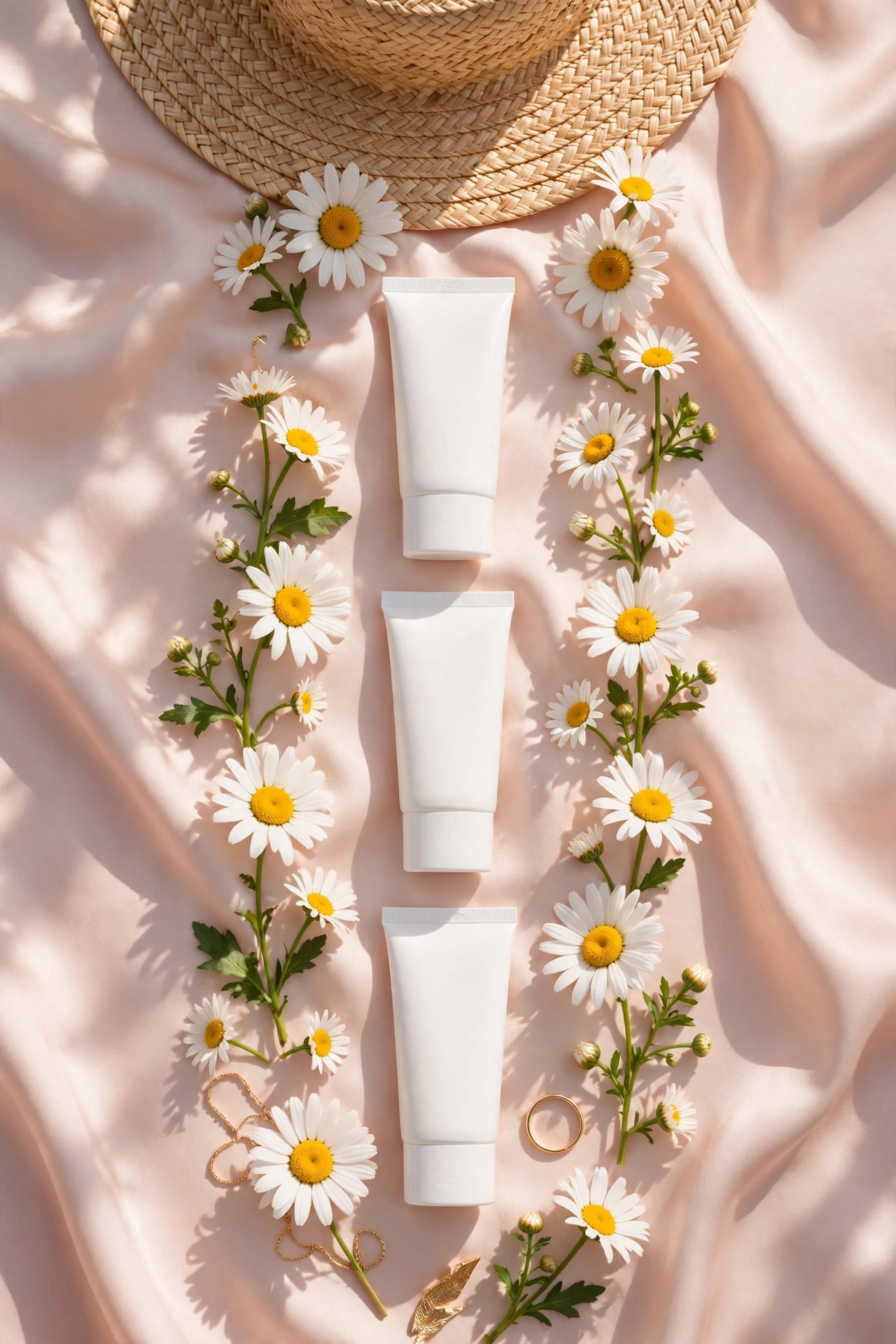
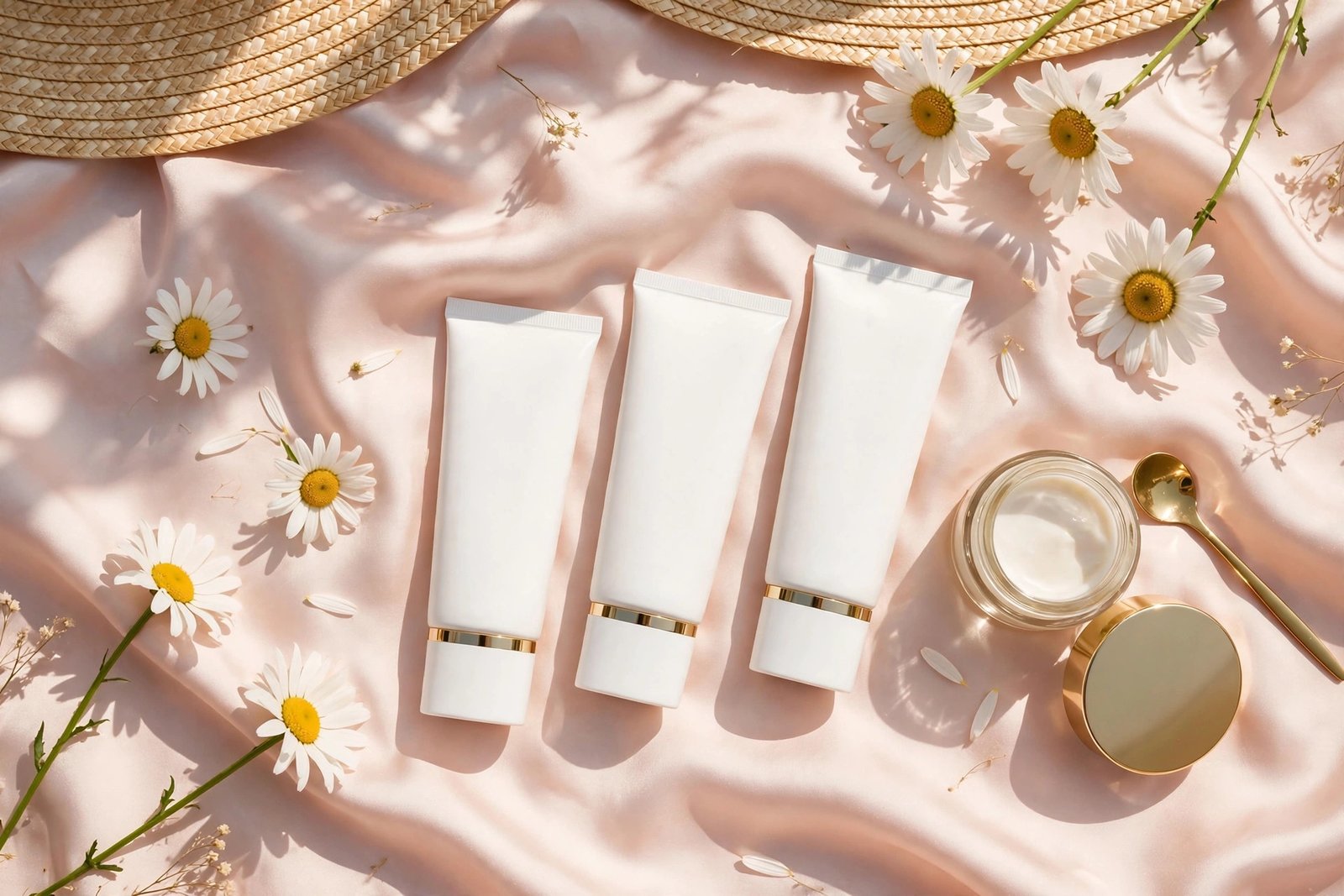
- Daily fluid / lightweight lotions — thin, spreadable formulas designed to layer under makeup. The easiest format for daily facial use; look for zinc-oxide-based fluids labeled “sheer” or “invisible.”
- Tinted mineral sunscreens — iron oxides in the tint add visible-light protection (relevant for melasma) while counteracting the white cast zinc oxide can leave. An excellent choice if you’re dealing with pregnancy pigmentation (treating melasma during pregnancy).
- Mineral SPF moisturizers (2-in-1) — combine your morning moisturizer and SPF step. Convenient, but make sure you’re applying enough — most people under-apply moisturizer-SPF hybrids.
- Stick sunscreens — mess-free, great for reapplication over makeup and for kids’ faces later. Best as a complement to, not a replacement for, a full-face base layer.
- Spray mineral sunscreens — convenient for body reapplication, but apply generously and rub in; it’s easy to miss spots with sprays.
- Powder SPF brushes — handy for midday touch-ups over makeup, but shouldn’t be your primary sunscreen — coverage is too sheer.
No testing claims here — these are format descriptions, not product endorsements. What matters is finding a mineral SPF 30+ you’ll genuinely reapply.
If you’re also building a routine for reactive skin, our sensitive skin routine guide covers fragrance-free layering that pairs well with mineral SPF.
How to Actually Wear It (The Part Most People Skip)
The best sunscreen is the one you wear correctly:
- Use enough. About a nickel-sized dollop for the face — roughly 1/4 teaspoon. Most people apply half of what they need, effectively halving the labeled SPF.
- Apply last in your morning routine, after moisturizer, before makeup.
- Don’t forget: ears, neck, chest, and the backs of hands — all prime melasma and aging real estate.
- Reapply every 2 hours in direct sun, and after swimming or heavy sweating. For daily indoor-near-windows life, a single solid morning application plus a midday touch-up is a reasonable baseline.
- Layer your defenses. Sunscreen is one tool: wide-brim hats, sunglasses, seeking shade between 10am and 4pm, and UPF clothing multiply your protection — especially important when you’re fighting melasma.
Sunscreen Over Makeup: Midday Reapplication
Reapplying over a full face of makeup is the practical problem nobody’s routine addresses — and skipping it is part of why melasma and dark spots deepen despite “wearing SPF.” A few approaches that actually work:
- SPF powder brushes for a quick midday dusting — sheer, but better than nothing and genuinely convenient.
- A cushion compact with mineral SPF pressed gently over makeup.
- Blotting first with oil-absorbing sheets so the reapplied layer sits evenly instead of sliding.
This matters beyond melasma: UV darkens post-acne marks into spots that linger for months, so consistent reapplication protects the progress of your pregnancy-safe acne routine too.
Dealing With White Cast
The most common complaint about mineral sunscreen — the ashy or purple cast, especially on deeper skin tones — is legitimate. Strategies that help:
- Tinted formulas are the single best fix; the iron oxides neutralize the cast.
- Apply in thin layers, letting each absorb for a minute, rather than one thick layer.
- Newer “sheer” zinc formulas use finer particle dispersion — worth sampling if older mineral sunscreens put you off.
- Remember: a slight cast that fades in 10–15 minutes is normal; a mask-like cast means the formula isn’t right for your skin tone.
For combination skin specifically, our guide to best sunscreen for combination skin covers shine control and layering that applies during pregnancy too.
Key Takeaways
- Mineral sunscreens (zinc oxide, titanium dioxide) are the preferred choice in pregnancy because they sit on skin with minimal absorption.
- Oxybenzone has the most scrutiny among chemical filters — human evidence of harm is inconclusive, but mineral is the simpler conservative choice.
- Read the actives line: zinc oxide–based, SPF 30+, broad-spectrum, fragrance-free is the target.
- Tinted mineral formulas are ideal during pregnancy — they offset white cast and add visible-light protection against melasma.
- Format matters less than consistency: pick the type (fluid, tinted, stick, spray) you’ll actually reapply.
- Sunscreen technique (enough product, reapplication, hats and shade) matters as much as the product itself.
Frequently Asked Questions
Is chemical sunscreen dangerous during pregnancy?
Not proven dangerous — but several chemical filters absorb into the bloodstream, and oxybenzone has shown hormone effects in animal studies. Since mineral sunscreens are equally effective and stay on the skin’s surface, they’re the recommended choice during pregnancy as a precaution.
Can I use my regular sunscreen if it’s chemical?
If it’s what you’ll actually wear every day, wearing it is better than wearing nothing — but switching to a mineral SPF 30+ is the conservative recommendation during pregnancy. Bring your current product to your next appointment if you want your doctor’s take.
Do I need sunscreen indoors?
UVA penetrates window glass, and pregnancy hormones make your skin more reactive to even incidental exposure — especially for melasma. If you sit near windows or drive regularly, daily SPF is worth it.
What about vitamin D? Won’t daily sunscreen cause deficiency?
Many pregnant people are already advised to take prenatal vitamins containing vitamin D, and brief incidental exposure still occurs. If you’re concerned, ask your doctor to check your levels — don’t skip sun protection to chase vitamin D.
Are “natural” or DIY sunscreens safe?
No — homemade sunscreens (coconut oil, carrot seed oil, etc.) have unreliable, untested SPF and leave you unprotected. “Natural” on a label doesn’t guarantee mineral filters either. Stick with tested, labeled mineral SPF 30+.
Love this? Pin it for later!