How to Treat Melasma During Pregnancy: Safe Fading Options
This article is for informational purposes only and is not medical advice — always check with your OB-GYN or doctor before changing your skincare routine during pregnancy.
Brownish patches spreading across your cheeks, forehead, or upper lip during pregnancy have a name — melasma, often called “the mask of pregnancy” — and they’re one of the most common skin changes of expecting, affecting an estimated 50–70% of pregnant people. They’re harmless, but they can be distressing, especially when your usual dark-spot treatments (hydroquinone, strong peels, retinoids) are suddenly off-limits.
Here’s the honest picture: during pregnancy, the goal is management and prevention of worsening, not aggressive fading. The most powerful treatments for melasma aren’t pregnancy-safe — but strict sun protection plus a few gentle brighteners can keep things from getting worse, and much of the pigmentation often fades on its own after delivery.
Part of our pregnancy-safe beauty series — start with the full pregnancy-safe skincare routine for the complete framework.
Why the “Mask of Pregnancy” Happens
Melasma is driven by a two-part trigger:
- Hormones. Rising estrogen and progesterone stimulate melanocytes — the cells that produce pigment — making them more reactive than usual. This is why melasma so often appears in the second trimester as hormone levels climb, and why it also shows up with birth control pills or hormone therapy.
- Sun exposure. UV (and visible light) is the switch that activates those sensitized melanocytes. Even brief, incidental sun — driving, sitting near windows — can trigger or darken patches when your hormones have primed the system.
Genetics play a role too: if your mother or sisters developed melasma in pregnancy, you’re more likely to as well, and it’s more common in medium to deep skin tones.
Understanding this matters because it shapes the whole strategy: you can’t control the hormones, but you can control the sun trigger — which is why sun protection isn’t just one step of melasma care, it’s the foundation everything else stands on.
Step One, Two, and Three: Strict Sun Protection
This cannot be overstated: no brightening ingredient can outpace ongoing sun exposure. Every melasma strategy during pregnancy starts here:
- Mineral sunscreen SPF 30+ every single day, reapplied every 2 hours in direct sun. Zinc oxide is your primary filter.
- Tinted mineral sunscreen is the ideal melasma choice — the iron oxides that provide the tint also block visible light, which standard sunscreens don’t fully address and which contributes to melasma.
- Physical barriers: wide-brim hats, sunglasses, seeking shade from 10am–4pm. Think of sunscreen as your last line of defense, not your only one.
- Don’t skip cloudy days or indoor days near windows — UVA penetrates both.
Our complete pregnancy-safe sunscreen guide covers label-reading and formats in detail.
Safe Fading Options During Pregnancy
With sun protection locked in, these ingredients can gently support fading. Set expectations correctly: they work slowly (think 8–12 weeks for visible change) and their job right now is improvement and stabilization, not erasure.
Azelaic acid (10–20%). The standout. It directly inhibits overactive melanocytes, making it one of the few ingredients with real evidence against melasma and a reassuring pregnancy safety profile. It’s frequently the first thing dermatologists reach for in pregnant patients with pigmentation. Our azelaic acid benefits guide goes deeper.
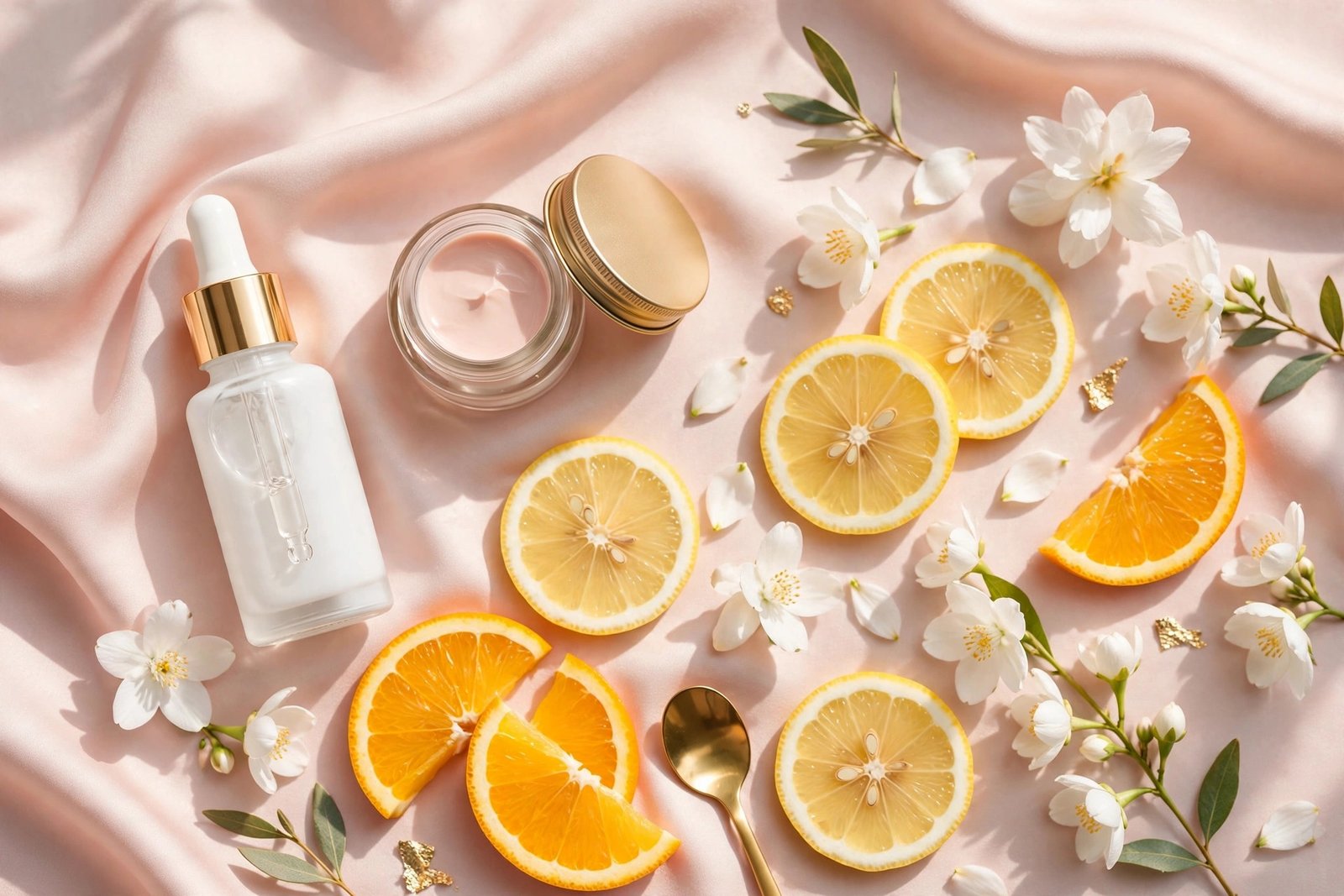
Vitamin C. An antioxidant that interferes with pigment production and brightens overall tone. Best in the morning under sunscreen — the two work synergistically.
Niacinamide. Calms the inflammation that can drive pigment production and gradually evens tone. A great supporting ingredient, especially if your skin is sensitive.
Vitamin C and peptide serums formulated for brightening can also slot into a melasma routine — our retinol alternatives during pregnancy breaks down what each one realistically delivers, so you can pick without falling for “erases dark spots overnight” marketing.
Licorice root extract. Contains glabridin, which has evidence for inhibiting tyrosinase (the enzyme behind pigment production). Often found in “brightening” serums; a gentle adjunct option.
Kojic acid (low concentrations). Sometimes used for pigmentation with a generally reassuring topical profile, but data in pregnancy specifically is limited — mention it to your doctor before using.
What NOT to use for melasma while pregnant
- Hydroquinone — the most effective melasma treatment available, but its high absorption rate (35–45%) makes it a clear avoid during pregnancy.
- Retinoids / tretinoin — often combined with hydroquinone in melasma protocols; off-limits in pregnancy.
- High-concentration chemical peels — too aggressive for pregnancy-sensitized skin and a rebound-pigmentation risk.
- Laser treatments — generally postponed until after pregnancy and breastfeeding; lasers can paradoxically worsen melasma even outside pregnancy.
Managing Expectations: The Postpartum Picture
Here’s the reassuring part most guides bury: pregnancy melasma often fades significantly on its own after delivery, as hormone levels normalize. Many people see major improvement within months postpartum without any aggressive treatment.
What that means for your strategy now:
- Your job during pregnancy is defense — rigorous sun protection plus gentle brighteners to prevent deepening.
- Your job after pregnancy is offense — once you’ve delivered (and discussed timing with your doctor, especially if breastfeeding), stronger options like prescription hydroquinone, tretinoin combinations, or in-office treatments become available for any lingering patches.
- Some patches may persist — melasma is notoriously stubborn, and pregnancy-onset melasma occasionally needs postpartum treatment. That’s normal, not a failure of your routine.
Whatever you do, don’t try to “catch up” with aggressive treatments while still pregnant or newly postpartum without medical guidance — impatience is how rebound pigmentation happens.
One more practical tip: track with photos, not the mirror. Take a makeup-free photo in the same natural light once a month. Day-to-day mirror checks make melasma feel like it’s getting worse even when it’s stable, while monthly photos show you the real trend — and give your dermatologist useful documentation if you seek treatment postpartum. If your melasma actually predates this pregnancy and never fully faded before, mention that history at your appointment; long-standing melasma sometimes needs a longer postpartum treatment plan.
A Sample Melasma-Focused Routine
Morning (protection + brightening):
1. Gentle cleanser
2. Vitamin C serum
3. Lightweight moisturizer
4. Tinted mineral SPF 30+ (generous application — this is the star of the show)
Evening (fading + repair):
1. Gentle cleanser (double cleanse if wearing tinted SPF/makeup)
2. Azelaic acid 10% — full face or on affected areas
3. Niacinamide moisturizer
Daily habits: wide-brim hat for any extended outdoor time, sunglasses, and reapplication. If breakouts are also a concern, this routine pairs well with our pregnancy-safe acne treatment guide.
Camouflage Counts as Care
While you’re managing melasma, there’s no shame in covering it — and the right coverage doubles as protection:
- Tinted mineral SPF evens tone while protecting.
- A light concealer or foundation over sunscreen is perfectly fine; just apply sun protection first and let it set.
- Avoid heavy, cakey layering that requires aggressive removal — gentle cleansing matters for sensitized pregnancy skin. The fragrance-free, barrier-first layering in our sensitive skin routine guide works well under and over tinted SPF.
Feeling good in your skin is part of skincare.
Key Takeaways
- Melasma (“mask of pregnancy”) is driven by hormones plus sun exposure — you can’t control the hormones, but you can control the sun.
- Strict daily sun protection (tinted mineral SPF 30+, hats, shade) is the foundation — no brightener works without it.
- Azelaic acid is the best-supported safe fading option; vitamin C, niacinamide, and licorice root extract are solid supporters.
- Avoid hydroquinone, retinoids, strong peels, and lasers during pregnancy — save aggressive treatment for postpartum with your doctor’s guidance.
- Much pregnancy melasma fades on its own after delivery; your current goal is preventing worsening, not erasure.
- Camouflage with tinted SPF is legitimate care, not vanity.
Frequently Asked Questions
Will melasma go away after I give birth?
Often, yes — much of it fades as hormones normalize in the months after delivery. Sun protection during and after pregnancy gives fading the best chance. Lingering patches can be treated more aggressively postpartum with your doctor’s guidance.
Can I use hydroquinone while breastfeeding?
Guidance varies, and hydroquinone’s high absorption rate makes many doctors cautious during breastfeeding too. Don’t restart it on your own — discuss timing at a postpartum appointment.
Is melasma a sign something is wrong with my pregnancy?
No. Melasma is a benign, extremely common cosmetic change driven by normal pregnancy hormones. It doesn’t affect the baby and doesn’t indicate any complication. Mention any sudden, unusual skin changes to your doctor, but melasma itself is not a warning sign.
Does melasma get worse with each pregnancy?
It can recur or intensify with subsequent pregnancies since the hormonal trigger returns. The upside: if you know you’re prone to it, you can start rigorous sun protection from day one next time.
Can diet or supplements prevent melasma?
There’s no reliable evidence that any diet or supplement prevents melasma. Some sources mention antioxidants, but nothing replaces sun protection. Be especially cautious with supplement claims during pregnancy — always check with your doctor.
Should I see a dermatologist for pregnancy melasma?
It’s worth it if patches are extensive, worsening despite sun protection, or significantly affecting your wellbeing. A dermatologist can confirm the diagnosis (some dark patches have other causes) and plan a safe now-plus-postpartum strategy with you.
Love this? Pin it for later!