Best Drugstore Foundations for Dry, Mature Skin (Over 50)
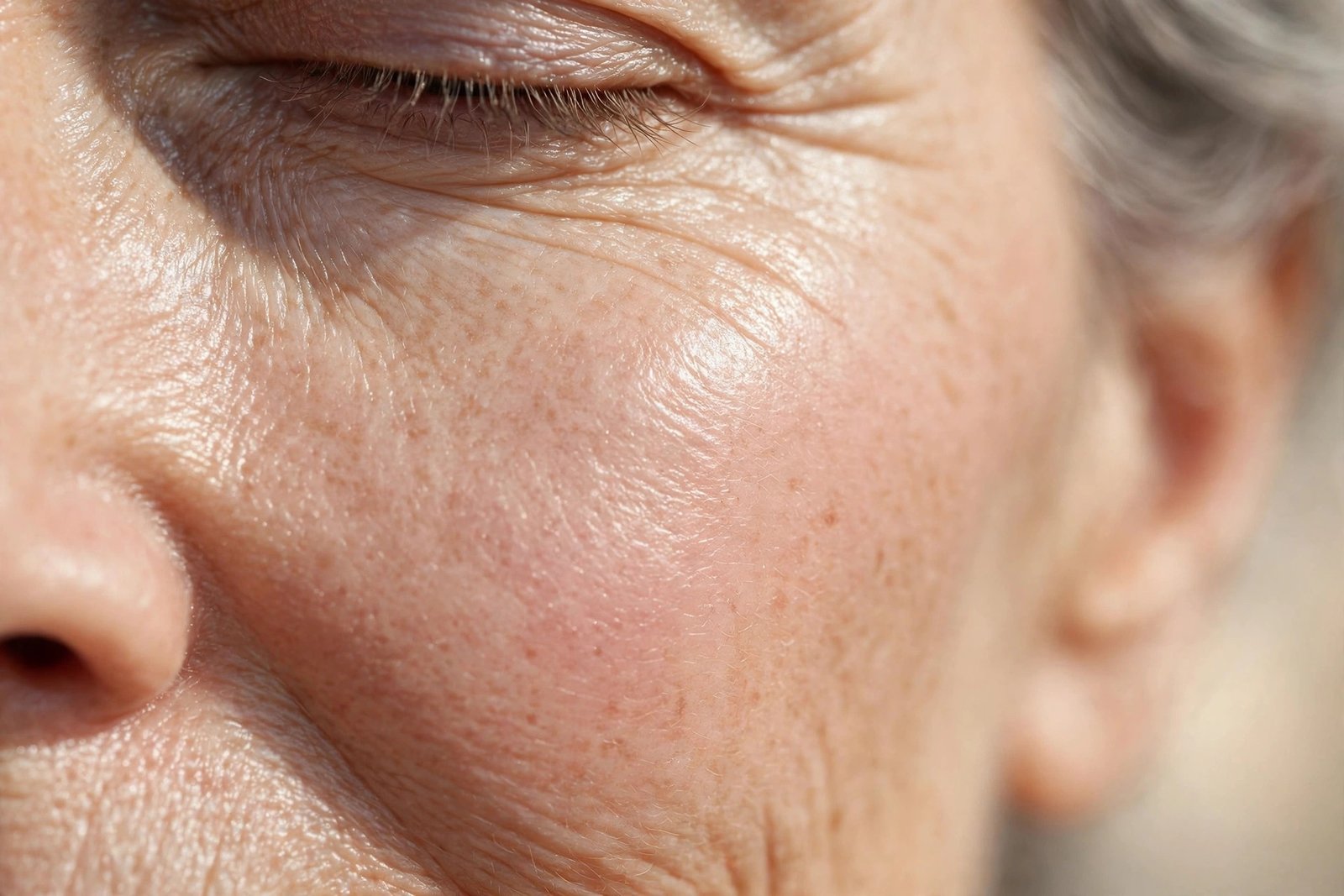
Here’s what nobody tells you about “mature skin” foundation advice: most of it is just regular foundation advice with the word “mature” sprinkled on top. Dry, mature skin has specific needs — hydration that lasts, zero settling into fine lines, no emphasis of texture — and most foundations fail at least one of them. I tested drugstore foundations against criteria designed specifically for skin over 50, wearing each for a full day and checking the three things that matter most.
The short answer: L’Oréal True Match is the standout — its hydrating formula melds into dry skin without settling, and the shade range actually accommodates mature undertones. For the driest skin, Neutrogena Hydro Boost’s gel-cream texture was the most comfortable all day. The golden rule: skip anything matte or “long-wear” — on mature skin, those formulas age you faster than any wrinkle.
How I tested (age-specific criteria)
Standard foundation tests check coverage and wear. Mine added the three checks that matter after 50:
- Fine-line settling check — photographed smile lines and under-eyes at hour 0 and hour 6. Any foundation that pooled in lines failed, regardless of how pretty it looked initially.
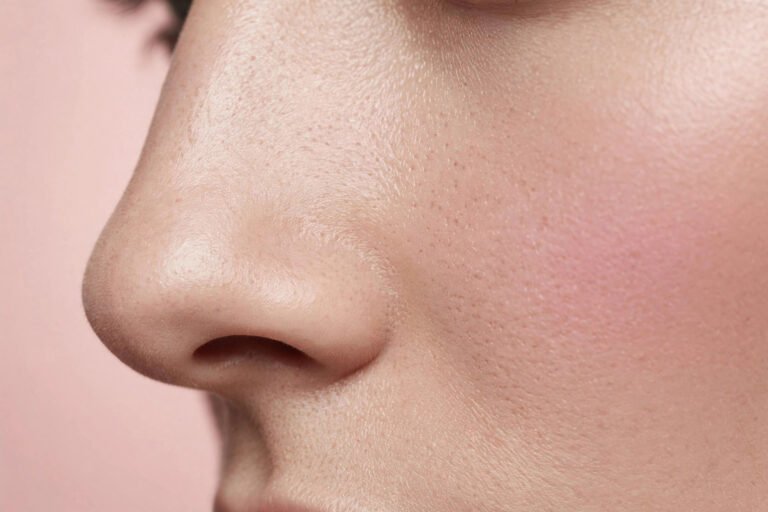
- Dryness emphasis check — did the formula highlight flakiness or texture around the nose and cheeks by afternoon?
- Comfort check — did skin feel tight, normal, or comfortable at hour 8? Mature skin punishes drying formulas fast.
Cosmetic framing only: this is about makeup performance on mature skin, not skincare or medical advice.
The winners
1. L’Oréal True Match — best overall
The reason True Match keeps winning for decades: the formula is genuinely hydrating without being greasy, and it has one of the widest, most nuanced shade ranges at the drugstore — including the neutral-to-cool mature undertones other lines skip. In my test it passed all three checks: no line settling at hour 6, no dryness emphasis, comfortable at hour 8. Medium coverage that never looked heavy.
2. Neutrogena Hydro Boost Hydrating Tint — best for very dry skin
The gel-cream texture is the most comfortable thing I put on my face in this entire test — it feels like a tinted moisturizer with better manners. Sheer-medium coverage, beautiful on dry patches, zero settling. The trade-off is longevity: by hour 6 it had faded more than True Match. For dry skin days (or winter), it’s unbeatable on comfort.
3. CoverGirl + Olay Simply Ageless — best built for mature skin
This one is actually formulated with mature skin in mind rather than adapted to it, and it shows in the texture: creamy, forgiving, and it seemed to blur rather than sit in fine lines. Good medium coverage. Slightly dewier than I expected — set the T-zone lightly if you’re combination.
4. Maybelline Fit Me Dewy + Smooth — best natural finish
The quiet achiever: sheer, hydrating, undetectable. It won’t cover much, but what it does looks like genuinely good skin. Passed the line-settling check with flying colors precisely because there’s so little product sitting on the skin. Lovely for everyday when you want polish without coverage.
5. e.l.f. Flawless Finish Foundation — best coverage that still behaves
If you want more coverage than the sheer options, this is the one that didn’t punish me for it. It builds to medium-full without the mask effect, and while I watched it carefully around my smile lines, it held up through hour 6 with only the faintest settling — fixed with a fingertip press.
What to avoid after 50
- Matte and “24-hour wear” formulas. They achieve longevity by drying down hard — on mature skin that means emphasizing every line by 2pm. There are exceptions, but as a rule, skip them.
- Heavy powder all over. A whisper on the T-zone is fine; baking or full-face powder is the fastest way to look older than you are.
- Shades too light. As skin matures it often loses some natural color; going too light creates that ashy, mask-like contrast. When between shades, many makeup artists suggest the slightly warmer one — and True Match’s range makes this easier.
Application tips for mature skin
- Prep is everything. Mature skin is typically drier — moisturize well and wait a full 3 minutes. This matters more than the foundation you choose.
- Less product, more blending. A thin layer with a damp sponge beats a full pump applied any other way. Build coverage only where you need it.
- Cream over powder, always. Cream blush and cream bronzer meld into mature skin; powders sit on top of it. (My blush showdown related guide is a good next read.)
- The fingertip press. At any point in the day, pressing (not rubbing) with warm fingertips re-melts foundation into skin. It fixes 90% of midday issues without adding product.
See all my tested comparisons in Makeup.
Frequently asked questions
Should women over 50 wear foundation every day?
That’s personal preference, not a rule. If you do, a hydrating sheer-to-medium formula like the ones above looks better and feels better than skipping base entirely and spot-concealing heavily — less product overall usually means a more natural result.
Is powder foundation bad for mature skin?
Generally yes — powder emphasizes texture and fine lines on dry, mature skin. If you love the convenience, try a hydrating liquid first and use powder only to set the T-zone.
What foundation finish is best for mature skin?
Satin to natural-dewy. You want light reflection (which blurs) without glitter or heavy shine. Avoid dead-matte — it flattens the dimension that keeps mature skin looking alive.
How do I keep foundation from settling into wrinkles?
Three things: thin layers, a hydrating formula, and minimal powder. Also apply less product where lines are deepest (under-eyes, smile lines) — most people do the opposite.
Does primer help foundation on mature skin?
A hydrating or blurring primer can help, especially around the nose and mouth. Skip mattifying primers all over — they tend to dry down too firmly on mature skin.
Love this? Pin it for later!